
Learn / Fast movers & dead stock
Fast movers vs dead stock
Not every SKU deserves the same attention. Reorder energy should follow what customers actually buy.
The business problem
Fast sellers run out on Saturday afternoon. Slow lines sit for months—tying up cash you could use for bread, soda, or fast-moving fittings. You reorder from habit, not evidence.
Why it matters
Dead stock is silent debt: money locked on shelves that does not rotate. Fast movers fund the shop. Knowing the difference stops you from stocking what looks profitable and missing what is.
Common mistakes
- Reordering everything the supplier pushes
- No list of top 20 movers—only “gut feel”
- Never retiring SKUs that have not sold in 90 days
- Chasing low-stock alerts on items that barely sell
Best practices
- Identify top movers weekly—from sales history, not memory
- Set low-stock alerts on movers only; deprioritize slow lines
- Run a quick count on top 20 SKUs monthly
- Discount or return dead stock before it expires or rusts
How F-Biz by Fayvad helps
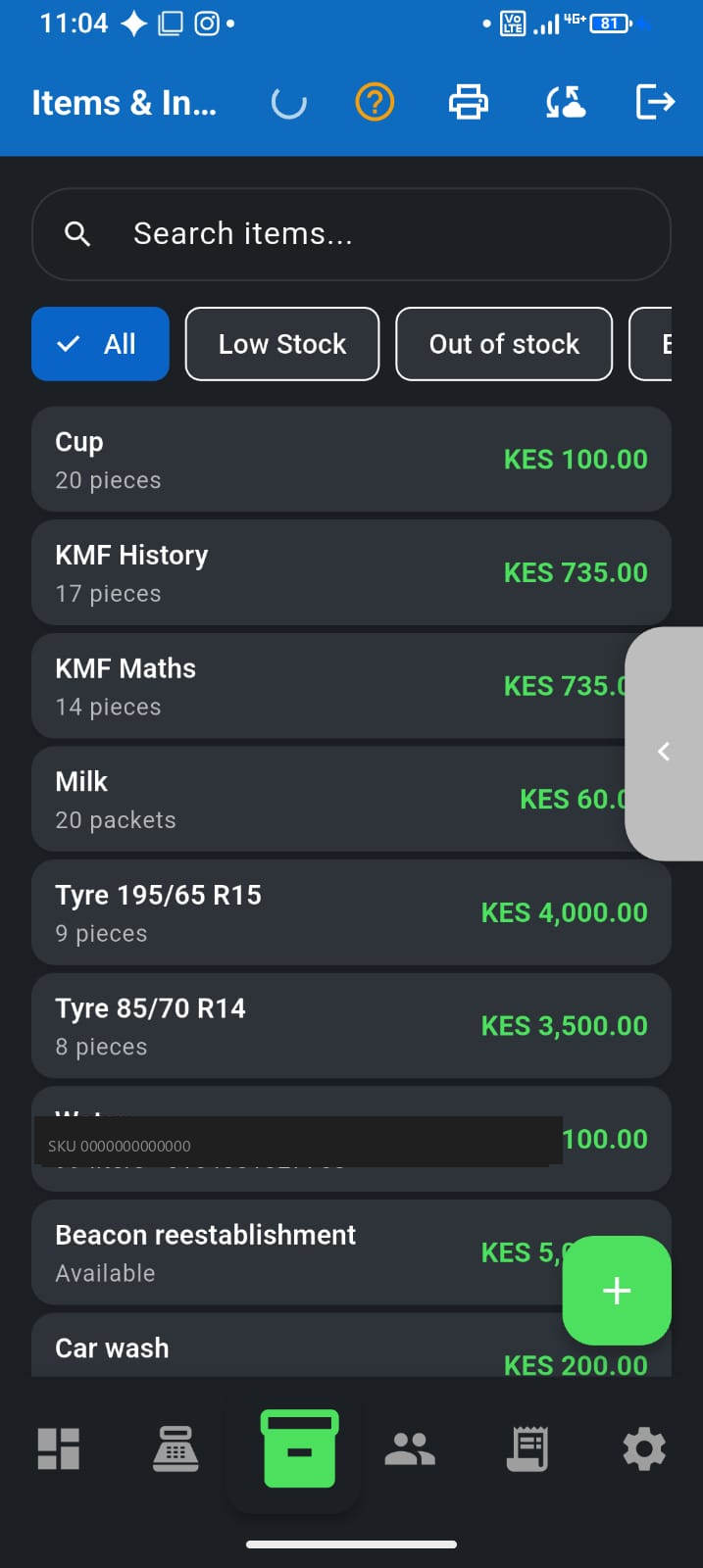
Sales reduce stock automatically. Low-stock signals highlight movers running out. Insights and transaction history show what sold this week—evidence for the next wholesaler run.
Action to take today
Write down your top 10 best sellers from memory—then check sales history and see how many match. Start low-stock alerts on the real movers.